Mixing Speaker Brands Across a Home Theater: What Breaks First
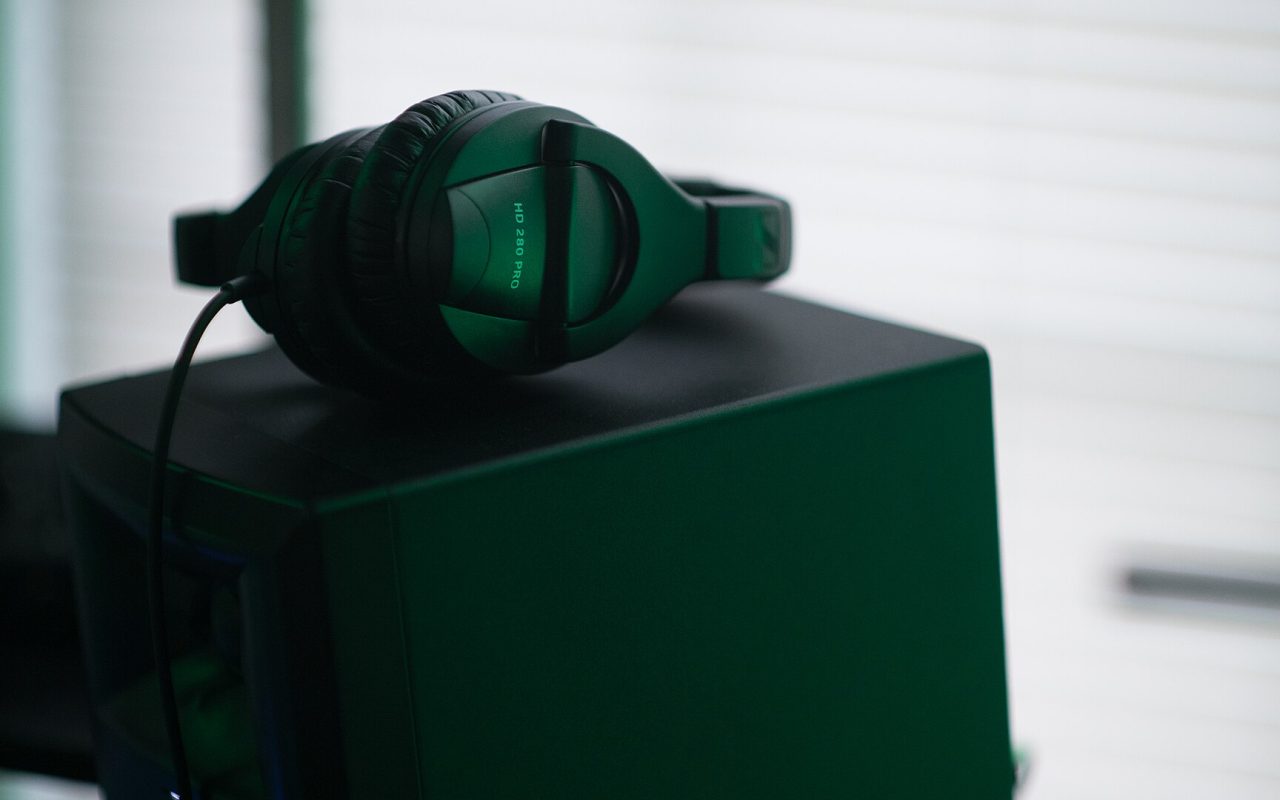
Brand mixing is the practice of combining speakers from different manufacturers in one surround system, and it is far more common than the advice suggests. Whether it works depends on which channels are mixed and how different their tweeters are.
Option one: matching the front three
The front stage carries the coherent part of the soundtrack: dialogue, music and the main effects.
A timbre mismatch here is audible as a step when a voice pans across the screen.
Matching the front three from one range is the strongest version of the rule, and it earns its reputation.
If only one element can match, match the centre to the mains.
Everything else in the system is more forgiving.
Option two: mixing surrounds
Surround channels carry diffuse information, and their contribution to tonality is much smaller.
A different brand of surround rarely announces itself, particularly if the design type is similar.
What does matter is sensitivity, because a surround 4 dB less efficient than the mains will be calibrated upward and may then sound harsh.
Check the sensitivity figures before mixing surrounds.
Timbre matters less than level here.
Option three: mixing the subwoofer
Bass below 80 Hz has little tonal character, so subwoofer brand matching is almost irrelevant.
What matters is output capability, phase adjustment and the ability to cross over cleanly.
This is the one position where the cheapest sensible option is nearly always correct.
A subwoofer from a different brand is normal practice, not a compromise.
Only the integration settings need attention.
Option four: mixing by tweeter type
A soft dome, a metal dome and a horn have distinctly different dispersion and decay.
Two soft domes from different brands are usually close enough to blend.
A horn crossing at 1 kHz next to a dome crossing at 3 kHz will not blend, whatever the price difference.
Crossover frequency is the more reliable compatibility test than brand.
Where a measurement is available, compare the 2 to 5 kHz region.
Option five: mixing by sensitivity
A 6 dB sensitivity difference means the quieter speaker needs four times the power for the same output.
Room correction compensates with level, but headroom does not return.
The quieter speaker becomes the limiting factor on dynamic peaks.
For surrounds, a 3 dB difference is tolerable; for the front three it is not.
Sensitivity is printed on every specification sheet and is the easiest mismatch to avoid.
Option six: mixing impedance loads
An amplifier with one 4 ohm and one 8 ohm speaker on the same channel pair delivers unequal power.
The 4 ohm speaker draws more current and plays louder for the same voltage.
Level calibration hides this at low volume and exposes it on peaks.
Mixing impedance is workable if both stay above 6 ohms.
Below that, the amplifier's protection circuit becomes a factor.
Option seven: mixing age within a brand
Two models from the same manufacturer ten years apart may share a logo and nothing else.
Driver materials, crossover slopes and cabinet tuning change with each generation.
Comparing a current centre with a discontinued main is effectively brand mixing.
The generation gap is often larger than the brand gap.
Check driver size and crossover frequency rather than the badge.
Option eight: the upgrade path that avoids mixing
Buy the front three as a set, then upgrade the surrounds later in pairs.
Keep the old front three as surrounds when the fronts are replaced, which preserves tonal consistency where it matters.
This rotation is how most long-lived systems evolve.
It also keeps the resale value of the components working.
Planning the rotation up front avoids a shelf of unused speakers.
Option nine: measuring the blend
Play pink noise through the left, then the centre, then the right, using a sound level meter at the seat.
The three readings should be within 1 dB.
Then play a sweep and listen for a change in character at each handover.
A noticeable change in brightness indicates a tweeter mismatch rather than a level mismatch.
This test takes ten minutes and settles most arguments.
Option eleven: the receiver's role in blending
Room correction measures each speaker and applies level, distance and equalisation per channel.
That processing narrows the audible gap between brands considerably, because it corrects the gross tonal differences.
What it cannot correct is dispersion, which determines how the sound behaves off axis.
Two speakers with similar on-axis curves and different dispersion will still sound different at the seat.
Correction helps most where the mismatch is tonal and least where it is spatial.
Option twelve: resale and rotation
Speakers from a single range hold their value better as a set than as individual units.
Buying the front three together preserves the option to sell them together later.
A mixed collection sells slowly and in pieces.
The financial argument for matching runs parallel to the acoustic one.
Where the budget is tight, matching the front three and economising elsewhere keeps both the sound and the resale intact.
Option thirteen: when a mixed system measures better
A matched pair of budget speakers can measure worse than two mismatched speakers placed correctly.
Placement determines the frequency response at the seat more than brand does.
A speaker 200 millimetres too low loses more high frequency than a brand mismatch typically introduces.
So the priority order is placement, then matching, then model quality.
Get the first two right and the third becomes a matter of taste rather than of compatibility.
A final measurement tip is to run the receiver's automatic calibration twice.
The first pass establishes levels, the second refines them once the speakers are in their final positions.
Between the two passes, check that nothing has been moved and that the microphone sits at ear height in the main seat.
Calibration is a starting point that the ears then finish.
Option ten: when mixing is the right answer
A mixed system that is well calibrated beats a matched system that is badly placed.
Placement, height and delay account for more of the perceived result than brand consistency.
The rule to keep is narrow: match the front three, be relaxed about everything else.
Brand mixing fails first at the centre channel, then at sensitivity, and almost never at the subwoofer.
Knowing which of those three is at risk turns a rule of thumb into a decision you can actually make.