Rugs, Curtains and Bookshelves: How Much Treatment Furniture Provides
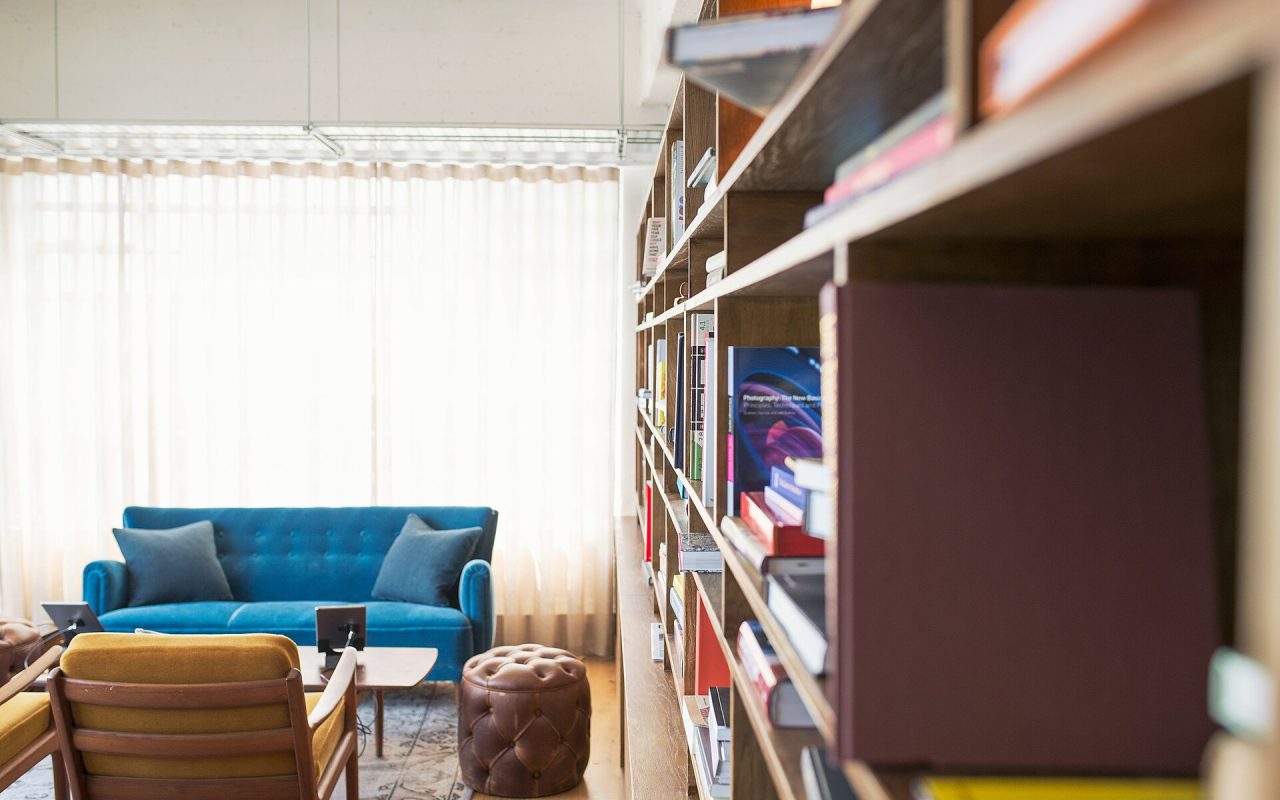
Furniture absorption is the acoustic effect of ordinary objects, and in most homes it accounts for more absorption than any purchased panel. Knowing what each item contributes turns a room's existing contents into a treatment plan.
Option one: the rug
A wool rug of 2 by 3 metres with a felt underlay absorbs strongly above 500 Hz.
It removes the floor reflection between the speakers and the seat, which cleans up the lower midrange.
A thin rug on a hard floor absorbs very little.
Underlay is what makes the difference, not the pile.
The rug is the most effective single piece of furniture in the room.
Option two: curtains
Heavy curtains with deep pleats absorb 0.4 to 0.6 across the midrange when hung away from the wall.
Curtains flat against plasterboard absorb almost nothing, because there is no air movement behind them.
A 100 millimetre gap between curtain and wall doubles the effect.
Curtains also control light, which matters in a room with a projector.
One object solving two problems is the best kind of treatment.
Option three: the sofa
An upholstered sofa absorbs 2 to 4 sabins, concentrated at mid and high frequencies.
A leather sofa absorbs far less, because the surface reflects.
Fabric-covered cushions can be added to a leather sofa to recover some of the effect.
The sofa also absorbs the reflection from the rear wall behind the seat.
Seating is a treatment device that also happens to be furniture.
Option four: bookshelves
A bookcase filled with books of mixed sizes is a reasonable diffuser above 1 kHz.
Deep shelves with irregular contents scatter more than a flat wall.
An empty or glazed bookcase reflects more than it scatters.
Placing a bookcase behind the listening seat is acoustically useful and domestically normal.
Bookshelves are diffusion that nobody has to justify.
Option five: soft furnishings and clutter
Cushions, throws, a coat rack in the corner and a full laundry basket all absorb a little.
Their combined effect is small but measurable in a hard room.
The effect is concentrated at high frequencies, which reduces perceived brightness.
A room with many soft objects rarely needs treble correction.
Domestic clutter is a broadband high frequency absorber.
Option six: plants and their limits
Large plants with dense foliage absorb a little at mid and high frequencies.
The area is small relative to the room, so the effect is modest.
Plants mainly help by breaking up a reflective wall and adding visual softness.
Claims about plants improving acoustics are usually overstated.
Plants are decoration with a small acoustic side effect.
Option seven: hard floors and glass
Tiles, wood and glass reflect almost everything above 200 Hz.
A room with a hard floor, a glass wall and bare plasterboard is acoustically the worst case.
Adding a rug and curtains changes it more than any amplifier upgrade.
Glass also reflects light, which affects projection.
Hard surfaces are the reason furnished rooms measure better than empty ones.
Option eight: how much furniture absorption is available
A furnished living room typically provides 8 to 15 sabins of absorption.
A room's total need for 0.4 seconds might be 20 to 25 sabins.
The gap is what treatment has to fill.
In a well-furnished room, that gap may be only two panels.
Furniture does most of the work and treatment finishes it.
Option nine: where furniture fails
Nothing domestic absorbs below 200 Hz except a cavity-backed construction.
Sofas, rugs and curtains do nothing for bass.
Rooms that sound boomy need bass traps regardless of how furnished they are.
Confusing mid absorption with bass control is the common error.
Furniture treats the frequencies that are easy and the bass that is hard is left.
Option ten: the arrangement effect
The same furniture in a different arrangement produces a different result.
A sofa against the rear wall absorbs the reflection that would have smeared the image.
A sofa in the middle of the room absorbs less and blocks the wall's reflection entirely.
Layout determines what the furniture actually does.
Moving furniture is free treatment.
Option eleven: measuring before adding panels
Measure the room with furniture in place, then decide what is missing.
Adding panels to an already furnished room often over-treats the midrange.
The measurement shows which frequency band is still a problem.
Most furnished rooms need bass help rather than more mid absorption.
Measurement prevents buying what the room already has.
Option twelve: the domestic treatment budget
A rug with underlay, heavy curtains and two corner bass traps covers most domestic problems.
Each item has a household purpose beyond acoustics, which is why it survives.
Total cost is usually less than two commercial panels and performs better.
The remaining gap is filled with two absorption panels at the first reflection points.
Furniture first, panels second, bass traps wherever the corners allow.
Option thirteen: why this matters for a cinema room
A dedicated room with hard surfaces and minimal furniture is acoustically the hardest case.
Such a room needs purchased treatment because it has no furniture to absorb anything.
A living room used as a cinema needs less, because it already contains a sofa and a rug.
The room's contents should be counted before the treatment budget is set.
Two identical rooms with different furniture need different amounts of treatment.
Option fifteen: what the household already owns
Before buying anything, list every soft object in the room and its approximate area.
A rug, two sofas, four cushions and curtains may already provide half the absorption needed.
The list usually changes the plan significantly.
It also prevents buying a panel to solve a problem that a moved rug would fix.
An inventory is cheaper than a purchase.
Option fourteen: the honest accounting
Rugs and curtains absorb mid and high frequencies well, sofas and bookshelves help at the rear, and nothing domestic touches bass.
That sentence covers most of what a household can do without buying acoustic products.
The rest is bass, and bass requires thickness and corners.
Most rooms are closer to acceptable than their owners believe.
Furniture is acoustic treatment that arrived before anyone called it that, and counting it first usually shrinks the shopping list.