Upgrading in Stages: Comparing Three Build Orders
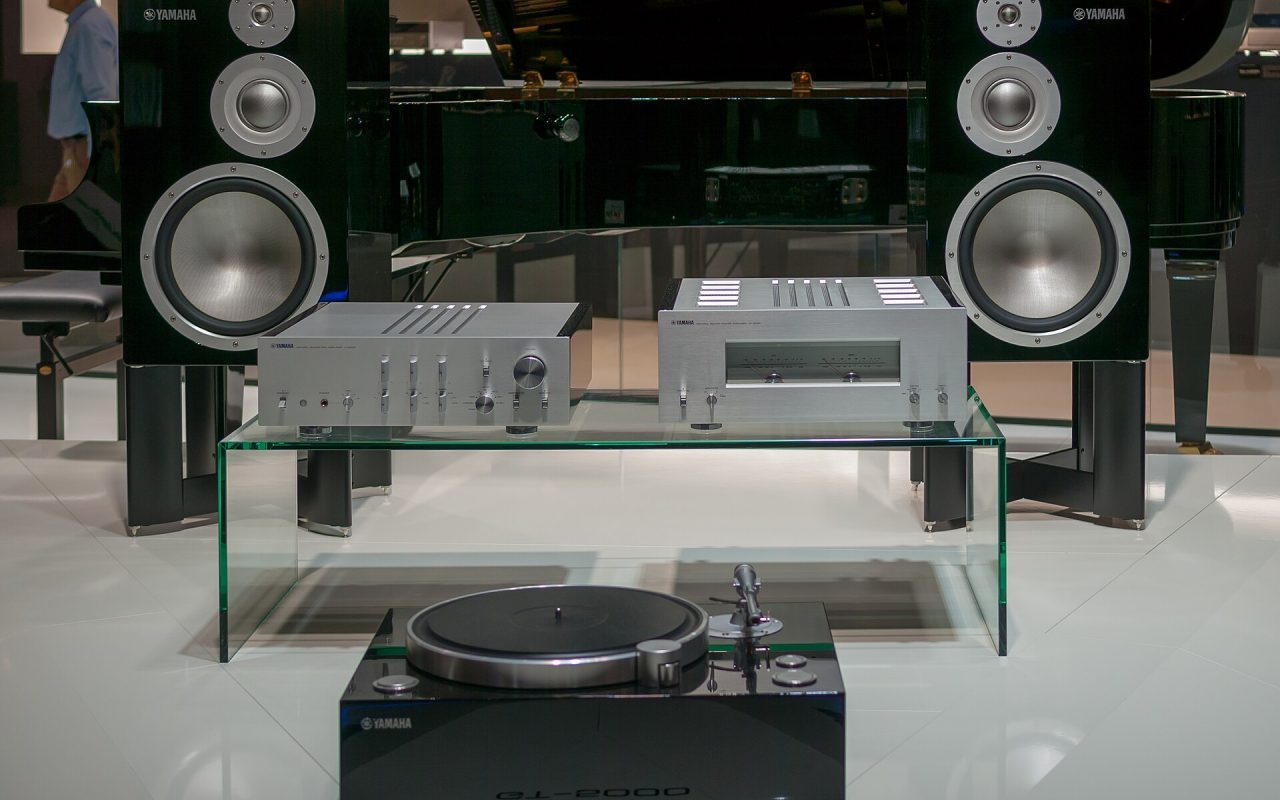
A staged upgrade is a plan that produces a usable system at every stage, rather than a half-finished one that only works at the end. The three common stage plans differ in what they sacrifice first.
Option one: the audio-first plan
Stage one is a receiver, two mains and a subwoofer.
Stage two adds a centre channel, which is the largest single improvement for film.
Stage three adds surrounds, and stage four adds treatment.
Image comes last, so the first year is spent watching a small screen that sounds excellent.
This plan suits households that watch series and listen to music more than they watch blockbusters.
Option two: the image-first plan
Stage one is a projector, a screen and a soundbar.
Stage two is a receiver and two mains, stage three the centre, stage four the subwoofer.
The first year delivers a large image with compromised sound.
For a household that watches films with dialogue-heavy content, that compromise is very noticeable.
This plan suits rooms where the screen is the point and the sound follows.
Option three: the room-first plan
Stage one is seating position, treatment and light control, with the existing television and a modest soundbar.
Stage two is a receiver and front three, stage three a subwoofer, stage four the projector.
Nothing in stage one is exciting to buy and everything in it improves every later stage.
The first year sounds better than it looks, then looks better than anyone expected.
This is the plan that produces the fewest regrets.
Option four: the front three as a unit
Buying left, centre and right together ensures tonal consistency and no second purchase.
It costs more up front than buying mains first.
It also prevents the common situation of a centre that never matches.
The front three carry most of the soundtrack, so consistency there matters most.
Where a stage plan allows, this is the stage to spend on.
Option five: the subwoofer stage
Adding a subwoofer is usually the most dramatic audio improvement in a system built on small speakers.
It also relieves the receiver, which cleans up everything else.
Placement takes an evening of testing, so the stage includes time rather than only money.
Two smaller subwoofers later are better than one large one now if the room is awkward.
The subwoofer stage should be planned around placement options, not around driver size.
Option six: the height channel stage
Two height speakers above the front stage add a sense of space in object-based mixes.
They do nothing for older content, which is most of the archive.
Ceiling access is the real constraint, and it is easier before decoration.
This stage is a refinement, not a foundation.
Height channels belong at the end of any plan.
Option seven: the treatment stage
Four panels and a rug are cheap and improve everything.
They are the least visible upgrade and the hardest to photograph.
Households routinely defer them for years and then wonder why the system sounds bright.
Treatment should be stage one, not stage four, in most rooms.
The stage plan that treats last usually treats too late.
Option eight: the amplifier stage
A power amplifier for the front three channels is a late stage, after the speakers are settled.
It matters when the speakers are inefficient or the room is large.
In a small room with efficient speakers it changes nothing.
Buying it early often means buying it again when the speakers change.
The amplifier stage follows the speaker stage by definition.
Option nine: how long stages should last
A stage should last at least six months, or the system never settles into a known state.
Longer stages allow the room's behaviour to become familiar.
Familiarity is what makes the next upgrade audible.
Rapid upgrades produce a system nobody can evaluate.
Time between stages is part of the plan.
Option ten: the resale chain
Each stage should either add to the system or replace a component that can be sold.
Components that cannot be sold are stage-one risks.
Speakers hold value, receivers do not.
Planning the resale chain keeps the total cost of the upgrade path visible.
A stage that strands a component is a stage that costs more than it appears to.
Option eleven: measuring each stage
A measurement at the seat after every stage records what changed.
Levels, distances and the bass response are the three to check.
Without measurement, a stage that made things worse can go unnoticed for months.
The record also helps when selling a component, because the improvement is documented.
Measurement turns a hobby into a process.
Option twelve: the floor plan constraint
Every stage must fit the furniture that will exist at the end.
Buying towers that will not fit once the sofa moves is a stage that has to be undone.
Drawing the final layout first prevents temporary components from becoming permanent.
The room is the fixed part and the equipment is the variable.
Stage plans fail when the room is treated as adjustable.
Option thirteen: the two-year plan
Year one: seating, treatment, receiver, front three.
Year two: subwoofer, surrounds, image.
That plan reaches a complete system in twenty-four months with no wasted purchases.
It also leaves the height channels and the power amplifier as optional extras.
A plan with an end date is easier to follow than one with an end goal.
Option fifteen: the unused component problem
Every stage leaves a component that is no longer used, and its value should be recovered quickly.
Storing it reduces the budget for the next stage and adds clutter.
Selling within a month of replacement recovers the most money.
The resale chain should be planned alongside the purchase chain.
An upgrade path is only efficient if the exits are managed too.
Option fourteen: choosing between the plans
Audio-first for series and music, image-first for film nights, room-first for rooms with obvious acoustic problems.
Most households should choose room-first and be surprised by how much it helps.
Whichever plan is chosen, each stage must leave a working system.
A stage that leaves the room unusable for a month is not a stage, it is a project.
Upgrading in stages works when every stage is complete in itself, and the plan is judged by how little it wastes rather than by how fast it finishes.