How Far Should You Sit From a Home Theater Screen? A Layout Checklist
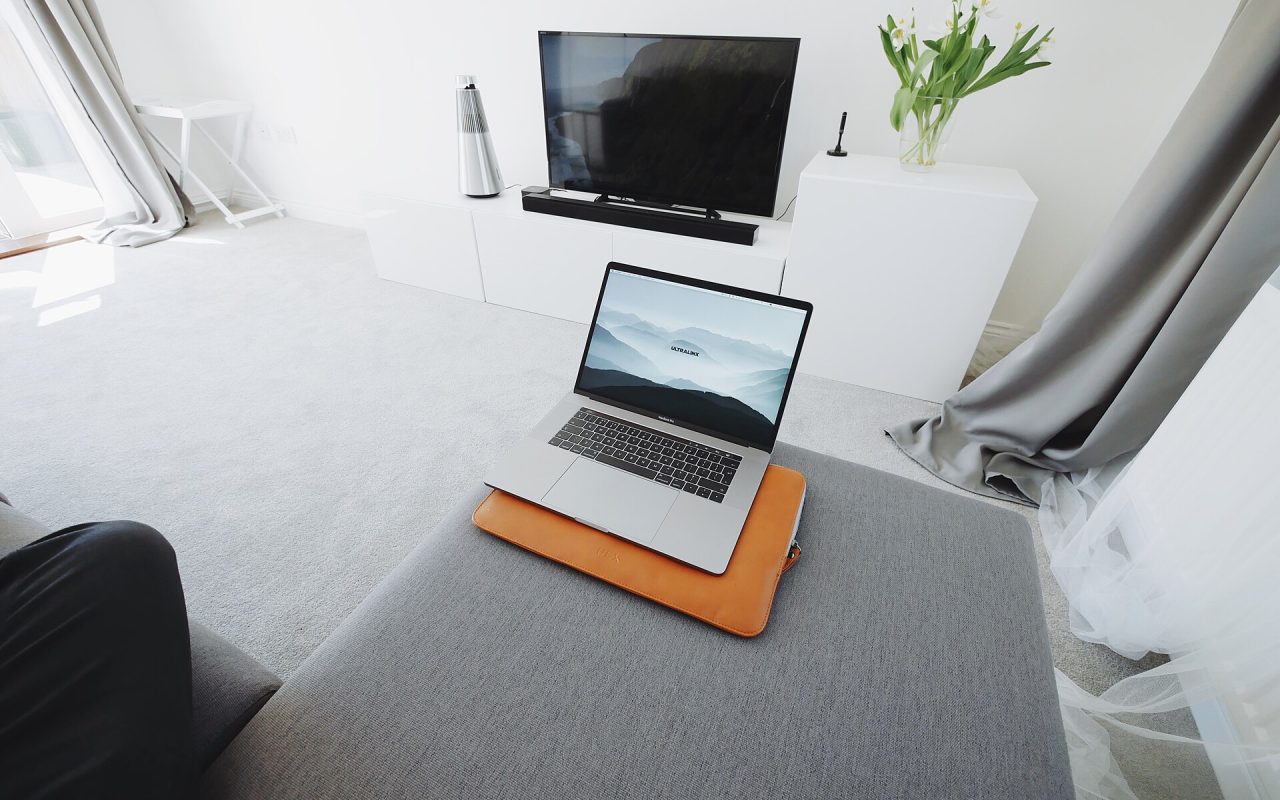
Seat distance is the horizontal gap between the front of the screen and the viewer's eye, and it is the single number that decides how large an image the room can honestly support. Everything else in a home theater layout, from screen height to speaker spread, is downstream of that measurement.
Option one: the THX 40 degree reference
The THX recommendation puts the back row at roughly 40 degrees of horizontal field of view, which works out to a seat distance of about 1.2 times the image diagonal.
For a 100 inch diagonal that means sitting a little over three metres back.
It is a comfortable, forgiving number, and it is the one most living rooms can meet without moving furniture.
The trade-off is that the image stops feeling immersive at the edges and starts feeling like a very good television.
If the room is 3.5 metres deep, this is almost certainly your answer.
Option two: the 1.0 image height rule
Cinema standards, including SMPTE's older guidance, put the seat at about one image height from the screen for the middle of the auditorium.
A 100 inch 16:9 image is 1.25 metres tall, so the seat lands at 1.25 metres, which no domestic room allows.
In practice the rule is applied to the back row of a commercial cinema, where the screen is enormous and the first rows are a compromise.
Treated as a starting point for a home theater, it produces a very large image at a very short distance.
Some people love it, and it is worth testing with a projector on a bare wall before committing to a fixed screen size.
Option three: the 1.5 to 2.0 times diagonal compromise
Sitting further back than the reference keeps the whole image inside a comfortable eye sweep and reduces visible pixel structure on cheaper panels.
The cost is that a 100 inch screen at 4.5 metres reads much like an 85 inch screen at 3.5 metres.
If your room only allows the long distance, the honest move is to accept the smaller apparent size rather than buy a screen the room cannot fill.
This is the most common domestic compromise and it is not a failure.
Option four: measure the room's depth first
Before any screen is chosen, measure from the front wall to the back wall and subtract 0.6 metres for the front stage and 0.8 metres for circulation behind the seats.
What remains is the usable seating depth.
In a 4.2 metre room that leaves 2.8 metres, which caps the image at roughly 85 to 92 inches before the viewing angle becomes uncomfortable.
Rooms are dimensioned by walls, not by preferences.
Option five: height above floor
Screen height is the second half of the seating decision and it is usually the one that gets skipped.
Eye height when seated is around 1.0 to 1.1 metres, and the vertical viewing angle to the top of the image should stay under 35 degrees.
A screen mounted too high forces the neck back and makes the bottom third of the image feel distant.
The common domestic error is mounting above a fireplace, which pushes the image centre to 1.6 metres or higher.
If the fireplace is fixed, a pull-down screen in front of it usually beats a television above it.
Option six: the front stage depth
Tower speakers need 0.3 to 0.5 metres behind them to breathe, and an acoustically transparent screen needs 0.6 to 0.9 metres of cavity.
That depth comes straight out of the seat distance.
In a shallow room, on-wall speakers and a solid screen preserve the distance the layout needs.
Every centimetre given to the front stage is a centimetre taken from the viewer.
Option seven: verify with a projector and a wall
Before buying, project a test image on the bare wall and sit in the proposed position for a full film.
Two hours of real content exposes problems that a five minute demo hides.
Move the seat forward in 200 millimetre steps and note where the image stops feeling comfortable.
The distance you settle on will be shorter than the reference tables suggest, and it will be the right one for that room.
Option nine: how a 21:9 screen changes the sum
A cinema aspect ratio screen is wider for the same height, so the diagonal grows while the vertical angle stays identical.
That means a 2.35:1 screen can be closer to the seat than a 16:9 screen of matching diagonal, because the constraint is vertical, not diagonal.
Masking the sides for 16:9 content then becomes the compromise, since the image height stays fixed while the width shrinks.
If most of what you watch is widescreen film, a scope screen at the same seat distance feels dramatically larger.
If most of what you watch is series and sport, the extra width is wasted and the masked height is what you see.
Count the aspect ratios in your watch history before choosing the shape of the screen.
Option ten: distance for a second row
A back row at 1.5 times the front row's distance sees an image about two thirds the apparent size.
That is acceptable for a 110 inch screen and marginal for an 85 inch one.
The elevation of the platform recovers some of the loss by aligning the eye line, but it cannot change the geometry of size.
Where a second row is planned, choose the screen size for the back row and accept that the front row is generous.
Sizing for the front row and hoping the back row copes is the usual mistake.
Option eleven: pixel density and the near limit
A 4K image at 2.5 metres shows no visible pixel structure at any domestic size.
A 1080p image at the same distance starts showing softness past about 100 inches.
That is an argument for sitting closer with 4K, not for buying a bigger screen and sitting further away.
Resolution changes the near limit of the seating range, while screen size changes the comfortable middle of it.
If you can see individual pixels on a white title card, the seat is too close for that panel.
The near limit is a hard boundary and the far limit is a preference, so measure the near limit first.
Option eight: the numbers that must be written down
Room length, room width, ceiling height, eye height at the seated position, and the intended screen diagonal.
Those five figures are enough to catch every bad layout decision before money is spent.
Keep them on one sheet of paper and check every purchase against them.
Layouts fail when a single dimension is remembered wrongly.
Seat distance is not a preference, it is the measurement that turns a room into a cinema, and it deserves to be taken before anything is bought.