Second-Hand Speakers Versus New Budget Speakers: Comparing Two Paths
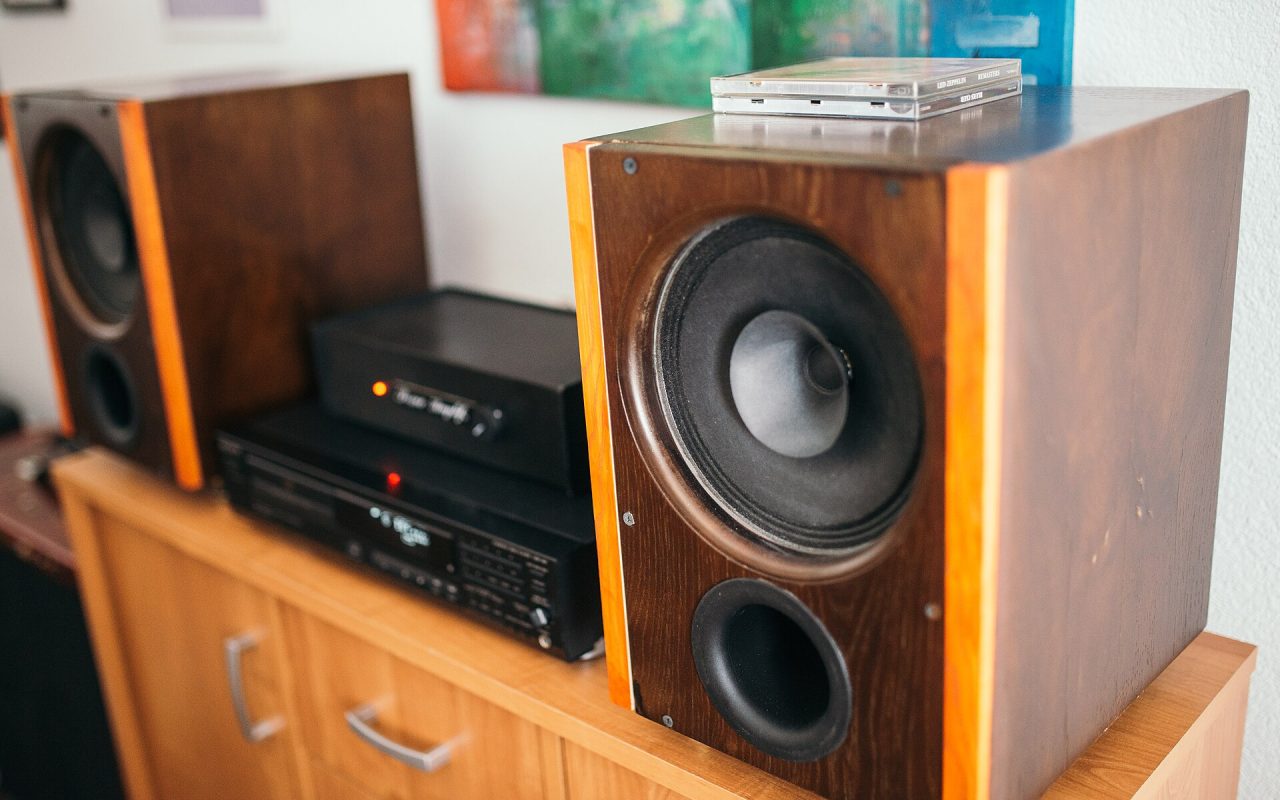
Second-hand value is the gap between what a component cost new and what it sells for after five years, and in speakers that gap is unusually large. Driver technology moves slowly, so an older speaker is often a newer speaker with better parts.
Option one: used floor-standing towers
A pair of towers that cost a month's salary a decade ago now sells for the price of a budget bookshelf pair.
The cabinet, drivers and crossover are all still serviceable.
The risk is foam surrounds that have perished, which is repairable but adds cost.
Auditioning is essential, because a blown driver is not always obvious at low volume.
Used towers offer the largest quality jump per unit of money in the hobby.
Option two: new budget bookshelf speakers
A new pair at the entry price comes with a warranty, modern driver materials and no history.
Their cabinet is thin and their crossover is simple, which limits output and bass extension.
They are, however, entirely predictable.
For a first system with no experienced ear to judge used gear, predictability has value.
New budget speakers are the safer purchase and the smaller performance.
Option three: used high-end bookshelf speakers
A premium bookshelf pair from fifteen years ago often outperforms a new pair at three times the price.
Cabinet construction and crossover quality were the expensive parts, and they do not age.
The bass will still be limited by cabinet volume, so a subwoofer remains necessary.
Condition matters more than age, and veneer damage is cosmetic while driver damage is not.
This is the sweet spot of the used market for most rooms.
Option four: used speakers needing repair
Perished surrounds can be replaced for a modest sum, and the result is a speaker that works for another decade.
A damaged tweeter is harder, because replacements may be unavailable.
Crossover capacitors drift with age and can be replaced by anyone with a soldering iron.
Repair projects reward patience and a willingness to learn.
They also risk becoming a pile of parts in a garage.
Option five: the audition checklist
Bring a recording with solo voice, solo piano and a bass-heavy track.
Listen for rattles at high volume, which indicate a loose cabinet or a damaged driver.
Sweep the volume slowly and listen for distortion at the low end.
Check both speakers, because one silent tweeter is easy to miss.
An audition of twenty minutes prevents most used purchases from going wrong.
Option six: foam and rubber surrounds
Foam surrounds degrade after fifteen to twenty years and crumble when touched.
Rubber surrounds last far longer and rarely need replacement.
A crumbling foam surround is visible and should reduce the price accordingly.
Replacement kits exist for most popular models and cost little.
Surround condition is the single best indicator of a speaker's remaining life.
Option seven: the amplifier matching question
Older speakers were often designed for amplifiers with generous current and 8 ohm loads.
Many are efficient, which makes them easy to drive with a modest receiver.
Some are 4 ohm loads that demand current a budget receiver cannot supply.
Check the impedance and sensitivity before buying, not after.
Used speakers and modern receivers can be an excellent match or a frustrating one.
Option eight: cosmetic versus functional damage
Scratched veneer, faded grilles and missing badges reduce price and change nothing else.
Dented dust caps rarely affect sound.
A pushed-in tweeter dome does affect it, and is not always repairable.
Water damage and cigarette smoke are functional problems disguised as cosmetic ones.
Price the cosmetics, but judge on the function.
Option nine: shipping and collection
Towers weigh 20 to 40 kilograms each and shipping them is expensive and risky.
Collection in person allows an audition and avoids transit damage.
Bookshelf speakers ship more safely, particularly in original boxes.
Original packaging indicates a careful owner as well as protecting the item.
Logistics is part of the price of used gear.
Option ten: the resale exit
Used speakers bought well can be sold for close to what was paid.
New budget speakers lose half their value immediately.
The used route therefore costs less to try and less to abandon.
That flexibility suits a system still being figured out.
Resale value is part of the total cost of ownership.
Option eleven: where new makes more sense
Surround speakers and centre channels are worth buying new in the same range, to match the front three.
They are also cheaper new than the mains, so the saving is smaller.
Subwoofers contain amplifiers that fail, which argues for a warranty.
Used is strongest at the front and weakest at the electronics.
The used market is not uniform, and the match between category and warranty matters.
Option twelve: the matching problem across eras
A used main pair from one era and a new centre from another will not blend tonally.
The solution is to buy the front three from the same used generation.
Complete sets appear regularly, because households upgrade together.
Buying a set also guarantees the drivers were used identically.
Patience for a complete set is worth a month of waiting.
Option thirteen: the budget comparison
At the same money, used premium speakers typically deliver two to three times the cabinet quality of new budget ones.
The gap shows in bass extension, cabinet resonance and crossover sophistication.
New budget speakers deliver reliability, warranty and modern finishes.
Neither is wrong, and the choice depends on appetite for risk.
Value and convenience are different products.
Option fifteen: the audition recording
Use one track you know intimately, played at a moderate level.
Familiar material reveals cabinet colouration that an unfamiliar track hides.
Note whether the voice sits forward or recessed compared with your reference.
That single comparison tells you more than a specification sheet.
One reference recording is worth ten shop demonstrations.
Option fourteen: the path that suits most rooms
Buy a used premium front three from one generation, a new centre if the set is incomplete, and a new subwoofer with a warranty.
That mixture captures the used market's strength where it is strongest.
Audition everything, and walk away from anything with a pushed-in dome.
The savings fund the treatment the room actually needs.
Second-hand value is greatest in the parts that age slowest, and speakers are the slowest aging components in the chain.